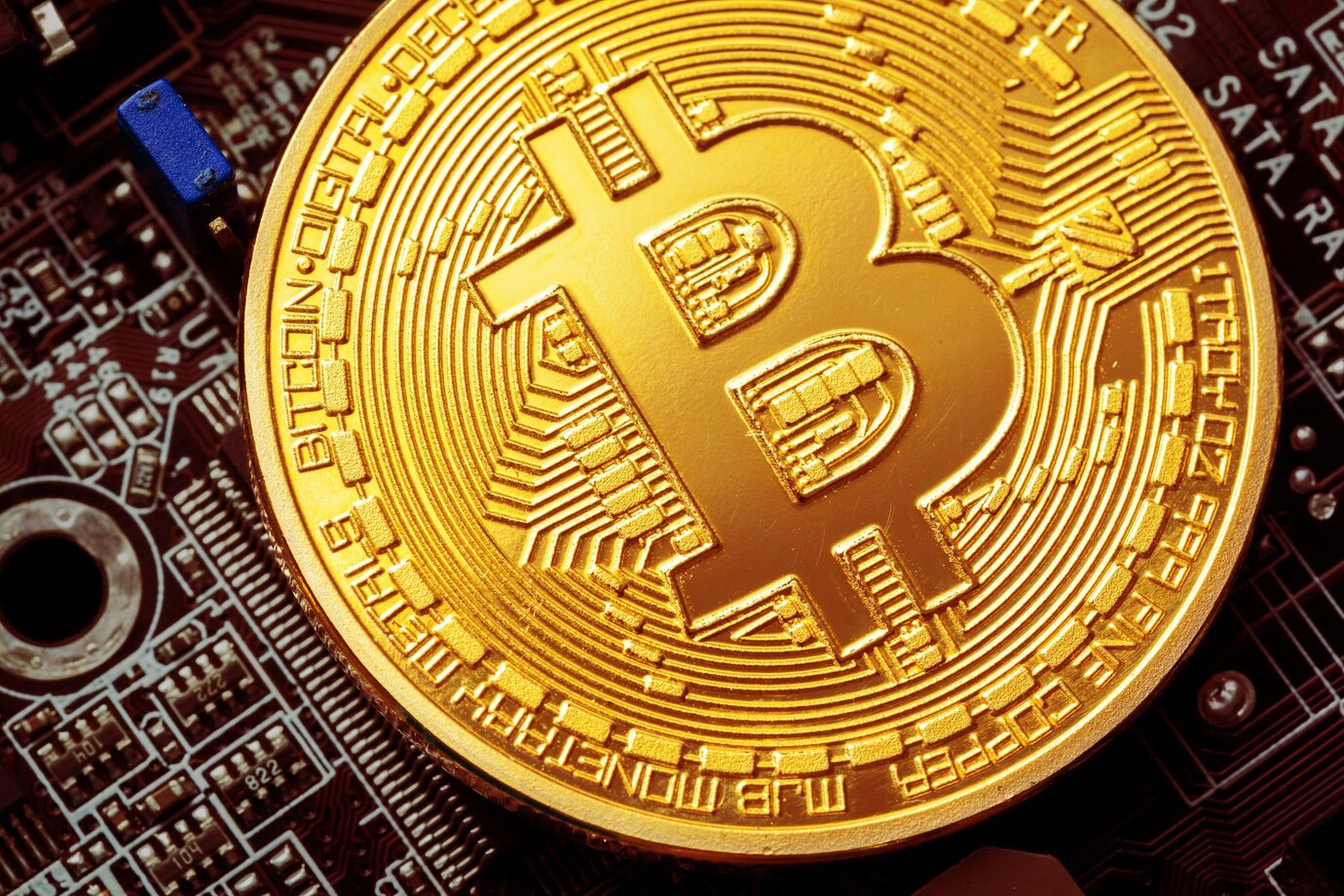
Cryptocurrency has come a long way from being a niche investment to a mainstream financial asset. With this growth, governments and regulatory bodies worldwide are working to establish legal frameworks to manage the risks and opportunities associated with digital assets. Whether you’re a seasoned investor or just stepping into the crypto world, understanding upcoming crypto regulations is crucial for making informed decisions and safeguarding your investments.
1. Why Crypto Regulations Are Becoming a Priority
As the crypto market continues to expand, so do concerns over security, fraud, money laundering, and consumer protection. The lack of regulation in the past has led to significant market volatility, scams, and hacking incidents. Now, governments are taking steps to create legal structures to balance innovation with investor security.
Key Reasons for Crypto Regulations:
- Protecting Investors – Preventing fraud and ensuring transparency.
- Preventing Money Laundering – Complying with Anti-Money Laundering (AML) laws.
- Ensuring Tax Compliance – Making sure crypto transactions are properly reported and taxed.
- Stabilizing Markets – Reducing extreme price swings caused by market manipulation.
- Encouraging Institutional Adoption – Clear regulations can encourage more traditional financial players to enter the crypto space.
2. Major Regulatory Trends in Crypto for 2025
a) Stricter KYC & AML Regulations
Governments worldwide are enforcing stricter Know Your Customer (KYC) and Anti-Money Laundering (AML) requirements to ensure transparency in crypto transactions. Investors will likely need to verify their identities before trading, making anonymous transactions more difficult.
What It Means for Investors:
- Expect exchanges to require more detailed personal information.
- Privacy-focused cryptocurrencies like Monero may face restrictions.
- Compliance with international financial laws will become standard.
b) Stablecoin Regulations
Stablecoins (cryptocurrencies pegged to real-world assets like USD) have gained massive popularity but also regulatory scrutiny. Governments want to ensure these digital assets are fully backed by reserves to prevent risks similar to traditional banking failures.
What It Means for Investors:
- Stricter reserve requirements could affect the stability and availability of stablecoins.
- Some stablecoins may be subject to bank-like regulations.
- Central Bank Digital Currencies (CBDCs) might emerge as government-backed alternatives to stablecoins.
c) Crypto Taxation Policies
Tax authorities worldwide are tightening rules on crypto earnings. Investors will be required to report capital gains, staking rewards, and even NFT sales on their tax returns.
What It Means for Investors:
- Expect automated tax reporting from exchanges.
- Some governments may introduce a flat crypto tax or new brackets.
- Proper record-keeping of transactions will be essential.
d) Decentralized Finance (DeFi) Oversight
DeFi platforms, which offer financial services without intermediaries, have been in regulators’ crosshairs. Expect new policies aimed at regulating smart contract-based lending, borrowing, and staking services.
What It Means for Investors:
- DeFi platforms may be required to follow KYC/AML rules.
- Some lending and yield farming opportunities might face restrictions.
- Compliance costs may affect DeFi’s accessibility and profitability.
e) NFTs & Digital Asset Regulation
Non-Fungible Tokens (NFTs) have taken the world by storm, but their legal status remains unclear. Regulators may classify some NFTs as securities, subjecting them to stricter oversight.
What It Means for Investors:
- NFT creators and traders may need to comply with securities laws.
- Marketplaces could introduce KYC verification for buyers and sellers.
- Intellectual property rights and copyright issues could come under legal scrutiny.
3. Regional Regulatory Developments
United States 🇺🇸
The U.S. is working on comprehensive crypto laws, with agencies like the SEC and CFTC playing key roles. Securities classification remains a major debate, with some cryptocurrencies being considered securities and others commodities.
European Union 🇪🇺
The Markets in Crypto-Assets (MiCA) framework will introduce strict rules for crypto service providers, ensuring consumer protection and financial stability.
China 🇨🇳
China has banned crypto trading but is actively developing its own Digital Yuan (CBDC), aiming to control digital financial transactions more effectively.
India 🇮🇳
India has imposed a 30% tax on crypto gains, but regulatory clarity is still lacking. A potential crypto bill could define legal usage soon.
United Arab Emirates (UAE) 🇦🇪
The UAE is becoming a crypto hub with clear guidelines for exchanges and investors, making it a preferred location for blockchain startups.
4. How Investors Can Prepare for Upcoming Regulations
Regulatory changes can impact investment strategies, but there are ways to stay ahead of the curve.
a) Stay Informed
Follow updates from financial regulators and crypto news platforms to understand the latest laws affecting digital assets.
b) Use Compliant Platforms
Choose crypto exchanges and wallets that adhere to legal requirements to avoid future issues with withdrawals or taxes.
c) Maintain Tax Records
Track all transactions, including purchases, sales, staking rewards, and airdrops, to ensure compliance with tax laws.
d) Diversify Your Portfolio
Regulatory uncertainty can impact different crypto assets in various ways. Diversify between Bitcoin, Ethereum, stablecoins, and DeFi projects to balance risk.
e) Consider Professional Advice
Consult tax professionals or financial advisors who specialize in cryptocurrency to optimize your investments under the new legal landscape.
5. The Future of Crypto Regulations: Challenges & Opportunities
Challenges:
- Uncertainty in regulatory timelines could cause market fluctuations.
- Some rules may stifle innovation, pushing projects to move to crypto-friendly jurisdictions.
- Strict regulations might limit DeFi growth and user participation.
Opportunities:
- Clear regulations could increase institutional adoption, boosting market stability.
- Legal frameworks may reduce fraud and scams, making crypto investments safer.
- Compliance-friendly crypto projects could gain investor trust and mainstream acceptance.
Conclusion: Adapting to the New Crypto Landscape
Upcoming crypto regulations will undoubtedly reshape the digital asset space, but they also present new opportunities for growth and innovation. While increased oversight might bring short-term uncertainties, long-term clarity will likely enhance the legitimacy and adoption of cryptocurrencies.
For investors, the key takeaway is to stay informed, remain compliant, and adapt your strategies to align with evolving regulations. As governments refine their approaches to digital assets, the future of crypto looks promising—but only for those who are prepared.
🚀 Are you ready for the new era of regulated crypto investing? Stay ahead of the curve and make smart, compliant investment decisions!