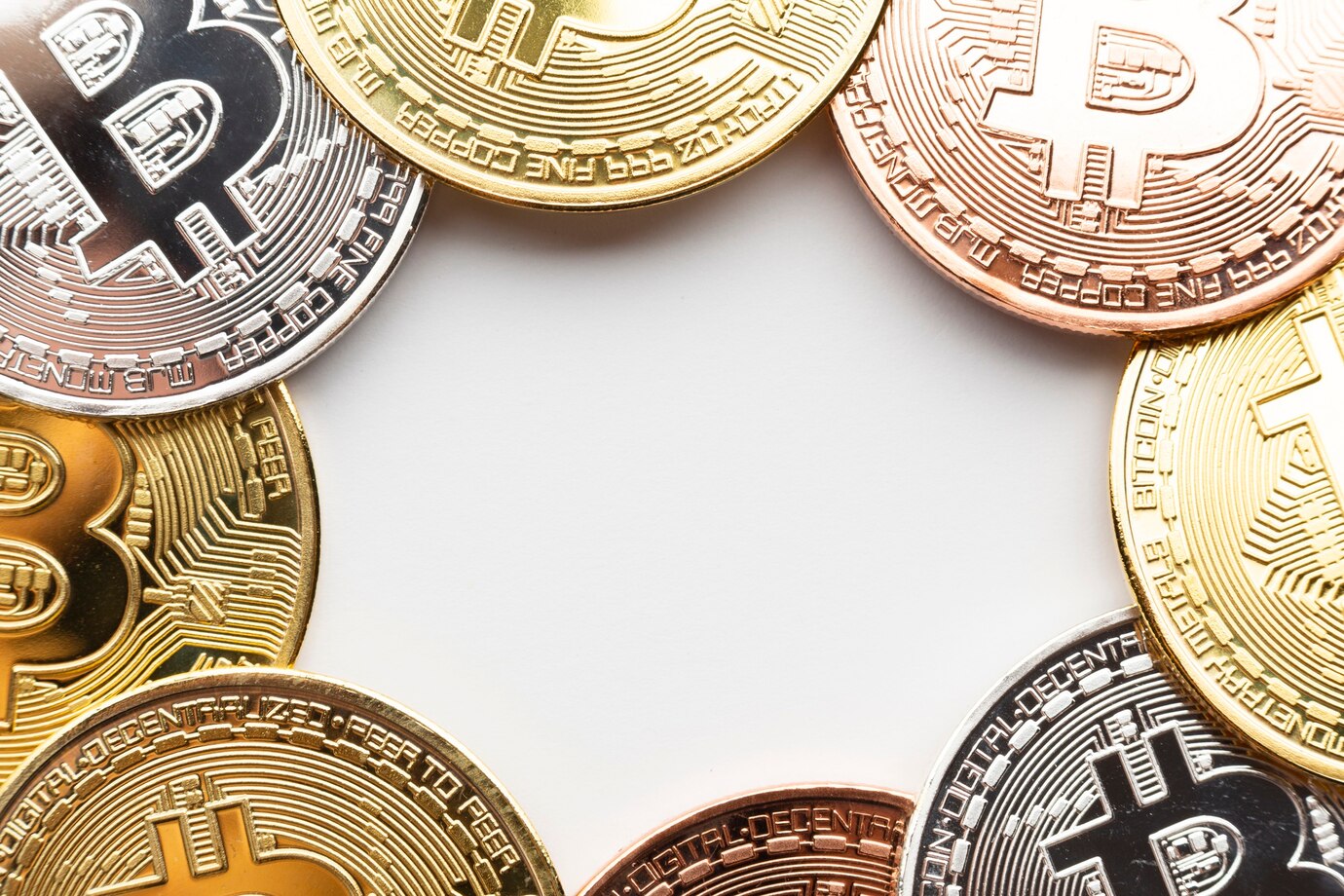
The world of cryptocurrency is evolving rapidly, with Bitcoin (BTC) and Ethereum (ETH) continuing to dominate the market. As we move into 2025, investors are once again faced with the age-old question: Which is the better investment—Bitcoin or Ethereum? Both assets have unique strengths, use cases, and potential for growth, but their suitability depends on your investment goals and risk appetite.
1. Bitcoin: The Digital Gold
Bitcoin is often referred to as digital gold due to its limited supply of 21 million coins and its role as a store of value. Since its inception in 2009, BTC has proven to be a hedge against inflation and economic uncertainty.
Why Invest in Bitcoin?
- Scarcity and Deflationary Nature – With a fixed supply, Bitcoin is designed to become more valuable over time as demand increases.
- Institutional Adoption – More companies, financial institutions, and even governments are adopting Bitcoin as a reserve asset.
- Decentralization and Security – The Bitcoin network is the most secure blockchain, with an unparalleled level of decentralization.
- Mainstream Acceptance – Bitcoin is increasingly being recognized as a legitimate asset class, with major companies like Tesla and MicroStrategy holding BTC on their balance sheets.
Risks of Investing in Bitcoin
- Price Volatility – While Bitcoin has experienced significant gains, it is still subject to sharp price fluctuations.
- Regulatory Uncertainty – Governments around the world continue to debate cryptocurrency regulations, which could impact Bitcoin’s adoption and price.
- Limited Utility – Unlike Ethereum, Bitcoin is primarily used as a store of value and for payments, with fewer use cases in decentralized applications.
2. Ethereum: The Smart Contract Powerhouse
Ethereum is more than just a cryptocurrency—it is a decentralized platform that powers smart contracts and decentralized applications (DApps). The Ethereum network has been a driving force behind the growth of decentralized finance (DeFi), non-fungible tokens (NFTs), and the metaverse.
Why Invest in Ethereum?
- Smart Contract Functionality – Ethereum’s blockchain allows developers to build and deploy smart contracts, which automate transactions and remove the need for intermediaries.
- Growing Ecosystem – From DeFi platforms like Uniswap and Aave to NFT marketplaces like OpenSea, Ethereum remains the backbone of the decentralized web.
- Ethereum 2.0 and Scalability Improvements – The transition to Ethereum 2.0 (now called the Merge) introduced proof-of-stake (PoS), reducing energy consumption and increasing transaction speed.
- Higher Utility and Innovation – Ethereum is continuously evolving, with Layer 2 solutions like Arbitrum and Optimism improving scalability and reducing fees.
Risks of Investing in Ethereum
- Network Congestion and Fees – Ethereum gas fees can be high during peak usage, which can be a barrier for smaller investors.
- Competition from Other Smart Contract Platforms – Blockchains like Solana, Cardano, and Avalanche are vying for market share and offering alternatives to Ethereum.
- Regulatory Scrutiny – As a platform enabling DeFi and NFTs, Ethereum faces greater regulatory oversight compared to Bitcoin.
3. Bitcoin vs. Ethereum: Key Comparisons
| Feature | Bitcoin (BTC) | Ethereum (ETH) |
|---|---|---|
| Purpose | Digital Gold, Store of Value | Smart Contracts, Decentralized Applications |
| Supply Limit | 21 Million BTC | No Fixed Supply (EIP-1559 Introduced Burning Mechanism) |
| Consensus Mechanism | Proof-of-Work (PoW) | Proof-of-Stake (PoS) |
| Transaction Speed | ~10 Minutes | ~15 Seconds |
| Use Cases | Payments, Store of Value | DeFi, NFTs, DAOs, Smart Contracts |
| Scalability Solutions | Lightning Network | Ethereum 2.0, Layer 2 Solutions |
4. Which is the Better Investment in 2025?
Choosing between Bitcoin and Ethereum depends on your investment goals and risk tolerance.
- Choose Bitcoin if you’re looking for a safe-haven asset and long-term store of value. BTC has a proven track record of retaining value over time and is often compared to gold.
- Choose Ethereum if you’re interested in the future of decentralized finance, smart contracts, and NFTs. ETH has a strong ecosystem, continuous upgrades, and real-world utility that extends beyond just being a currency.
5. Should You Invest in Both?
Many investors opt to hold both Bitcoin and Ethereum to diversify their portfolios. Bitcoin provides stability and long-term value retention, while Ethereum offers exposure to the rapidly growing decentralized applications space.
Portfolio Allocation Example:
- 50% Bitcoin – A solid hedge against inflation and economic instability.
- 50% Ethereum – Exposure to DeFi, NFTs, and Web3 innovation.
Alternatively, if you’re more risk-averse, you might allocate 70% Bitcoin and 30% Ethereum, whereas aggressive investors could opt for 40% Bitcoin and 60% Ethereum.
Both Bitcoin and Ethereum have a strong future, but they serve different purposes. As an investor, understanding their unique roles in the crypto ecosystem can help you make informed decisions.
- If you believe in digital gold and want a safer investment, Bitcoin is your best bet.
- If you see the future in blockchain innovation and smart contracts, Ethereum might offer greater returns.
- If you want the best of both worlds, diversifying between BTC and ETH is a smart strategy.
As we head into 2025, crypto markets will continue to evolve, bringing both opportunities and challenges. Staying informed, doing your own research, and diversifying your investments will be key to navigating the world of digital assets successfully.
So, which one are you betting on for 2025—Bitcoin, Ethereum, or both?